Padrinos are the sponsors and godparents of a quinceañera. Traditionally, it was just one married couple, but today many families invite several, with each one helping out with a different parts of the celebration.

If you've started planning, you've probably heard the word padrinos about a hundred times already. Maybe your mom has a list going. Maybe your tía already called dibs on the cake. So who are they, and what do they actually do?
What Are Padrinos in a Quinceañera?
A padrino is a godfather, and a madrina is a godmother. Together, they make up your padrinos, and a group of sponsors is called padrinos y madrinas.
Traditionally, padrinos are a married couple chosen by the quinceañera and her parents to guide her spiritually and emotionally. It's often the same couple who stood with her during baptism or First Communion.
Here's the part that people outside the culture often overlook.
Asking someone to be a padrino not only involves them but also connects the two families. That connection is called compadrazgo. It's why your parents will refer to them as compadre and comadre for the rest of their lives. The title is an honor, not just a favor.
What Is a Madrina for a Quinceañera?
A madrina is the godmother or the female sponsor
She could be part of a couple serving as padrinos de honor, or she might be solo: madrina de tiara, madrina del ramo, madrina del pastel. Tías, abuelas, older cousins, and comadres can all fill this role.Historically, padrinos were always one married couple. Families often chose a couple who had walked alongside the quinceañera since she was little, sometimes the same padrinos who stood with her at baptism or First Communion.
The Original Tradition: One Married Couple
For generations, padrinos meant just one couple. They weren't there merely for photos; they were considered second parents. These were the people who would step in to help raise you if anything happened to your parents. In some towns, they even helped choose your name.
There was also a practical reason for keeping it small. The quinceañera used to be a Mass followed by a gathering at home. There weren't fifteen different items to sponsor.

What Do Padrinos Actually Do?
At the Mass, the quinceañera Mass is a blessing and a thank you to God, but it's not a sacrament like baptism. Padrinos present and help bless important items: the rosary or Bible, the medalla, the corona, the ramo de flores for the Virgen, and the cojín for kneeling.
Do padrinos walk down the aisle?
Usually, yes. Padrinos de honor walk in during the processional, often right behind the parents, and sit near the family. Other padrinos may walk up later to present their gifts.
At the reception, they are acknowledged in el brindis, named in the program, included in the formal photos, and typically seated at the family table. Sometimes, a dad will hand the mic to the padrino before the father-daughter dance.
After the party. This is the part that actually matters. Real padrinos don't disappear once the DJ packs up. They're at the graduation, at the baby shower, at the carne asada on Sunday. They're the ones her parents call compadre and comadre, the ones she'll still be introducing as family years from now. That has never changed, no matter how the rest of the tradition shifts.

In Modern Days, We Now Have Multiple Padrinos
Some families now spread out the roles. One couple might sponsor the crown, while a tía takes the doll and a family friend pays for the DJ. This helps share costs and allows more people to feel included. However, this is often a hot topic in quinceañera planning.
Spend five minutes in any quinceañera group online, and someone will say outright: if you can't afford the party, don't throw it and expect everyone else to pay up. Many people, not just abuelas, feel that a long list of sponsors turns a sacred day into a fundraiser, and that having fifteen padrinos means none are truly the padrino. So, sponsoring isn't a universal standard. It varies by family, community, and sometimes even by town.
In some places, it is expected, and people might feel offended if they're not asked. In other areas, it can come across as asking for money. Many families in Mexico, Central America, and even here still follow the old way: just one couple as padrinos de honor. Asking for sponsors isn't wrong; just be mindful of your family's dynamics before assigning roles.
The Quinceañera Padrino List
If your family does have sponsors, these are the roles you will commonly hear about:
- Padrinos de los Recuerdos: for the favors
- Padrinos de Honor: the main godparents, usually a couple, acknowledged first
- Padrinos de la Misa: for the church ceremony
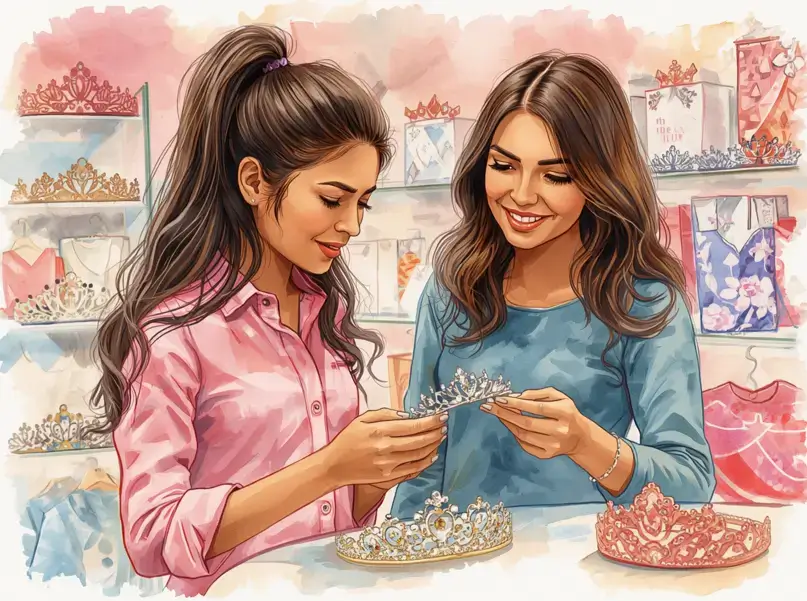
- Padrinos de la Corona: for the crown placed on her head
- Padrinos de la Biblia y el Rosario
- Padrinos de la Medalla: for the medal or cross she wears
- Padrinos del Ramo: for the bouquet for the Virgen
- Padrinos del Cojín: for the kneeling pillow
- Padrinos del Vestido: for the dress
- Padrinos de las Zapatillas: for the heels for the change of shoes
- Padrinos de la Última Muñeca: for the last doll
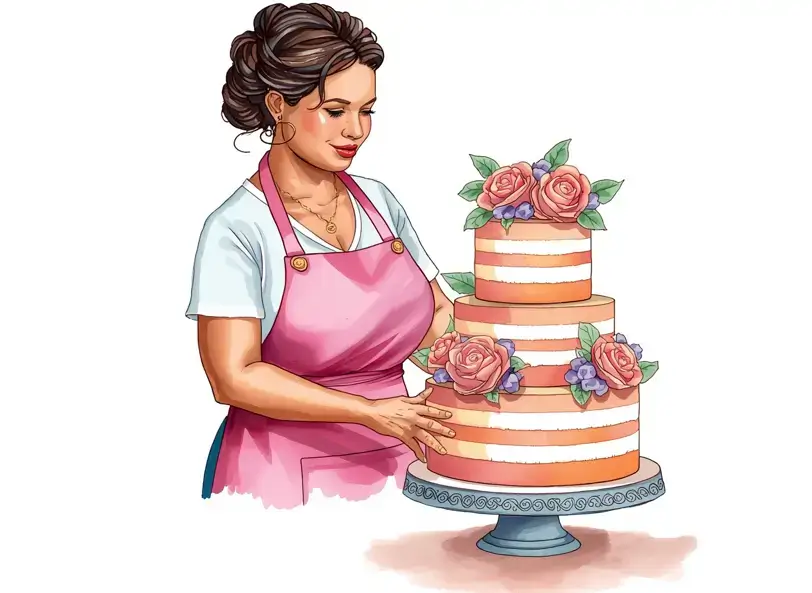
- Padrinos del Pastel: for the cake
- Padrinos del Salón: for the venue
- Padrinos de la Comida: for the food
- Padrinos de la Música: for the DJ or mariachi
- Padrinos del Fotógrafo: for photo and video
- Padrinos de las Invitaciones: for invitations and RSVPs
- Padrinos del Brindis: for the toast's champagne or cider
Most families don’t use all of these roles. They usually settle somewhere between three and eight.
What Do the Padrinos Pay For?
- They cover only what they agreed to, and nothing more. There’s no set amount and no rule stating that a padrino must spend any specific amount.
- Families typically match items to the person. The aunt who loves baking takes the cake. The cousin with a good camera handles the photos. The couple with a bit more budget takes care of the venue.
Two things help keep this from becoming complicated:
- Ask for a specific item, rather than a general amount. For example, "The tiara, around $75" is clear. Saying, "Help with the quince" is not.
- Never assume. The quickest way to upset someone is to put their name on a padrino list without asking them first.
What Gifts Do Padrinos Give?
For many, the sponsored item counts as the gift. The crown, the doll, the shoes. Padrinos de honor who aren’t covering something specific usually choose keepsakes like jewelry, a medal, a rosary, a Bible with her name on it, a cash gift, or in some areas, they traditionally gift the quinceañera dress, and the mass (the mass can sometimes also be pricey).
How Many Padrinos Should You Have?
Honor as many as you can remember. Traditional families stick to one couple. Larger celebrations may have five to ten. If you can’t recall who is sponsoring which item without checking your notes, you likely have enough.
And having none is perfectly fine. Some families handle everything themselves and just honor a special couple during the toast.
Ready to Ask?
Knowing who you want to ask is the easy part. The harder part is asking them, especially when money is involved. We provide guidance on what to say in How to Ask Someone to Be a Padrino or Madrina.
Whether it’s one couple or ten, the role should go to people who genuinely care for her.
Frequently Asked Questions
What padrinos are needed for a quinceañera?
Technically, none. If you're having a Mass, most families start with padrinos de honor and padrinos de la misa, then may add sponsors for the crown, cake, and doll.
What do the padrinos pay for?
Only what they committed to support. Commonly, this includes the crown, dress, cake, doll, music, photos, or venue. Some contribute nothing financially, and that's traditional too.
Do padrinos walk down the aisle?
Usually, yes, during the processional with the family, and sometimes again to present their item.
What do godparents give for a quinceañera?
A thank-you gift from the family, a mention during the toast, and a seat at the family table. Think framed photos, flowers, or small keepsakes.
Can one person be a padrino, or does it have to be a couple?
One person is perfectly fine. Solo madrinas and padrinos are becoming more common now.